


Paris / Moscou Lexicon
Lexicon
The people, places, objects and furs behind this hall
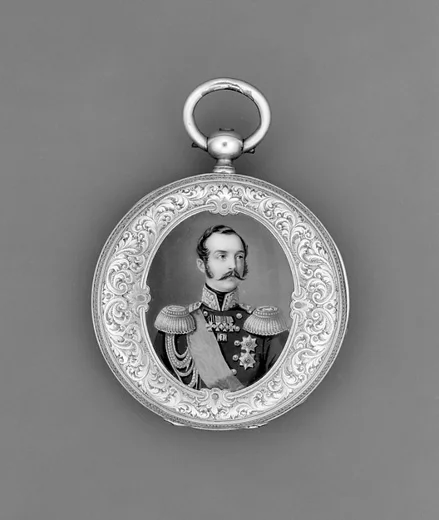
Alexander II
Tsar of Russia from 1855 to 1881, remembered for freeing the serfs in 1861. Grandfather of Maria Pavlovna and Dmitri, the two Romanovs who brought Russia into Chanel’s Paris.
Watch with a portrait of Alexander II, about 1855–65 · The Metropolitan Museum of Art, public domain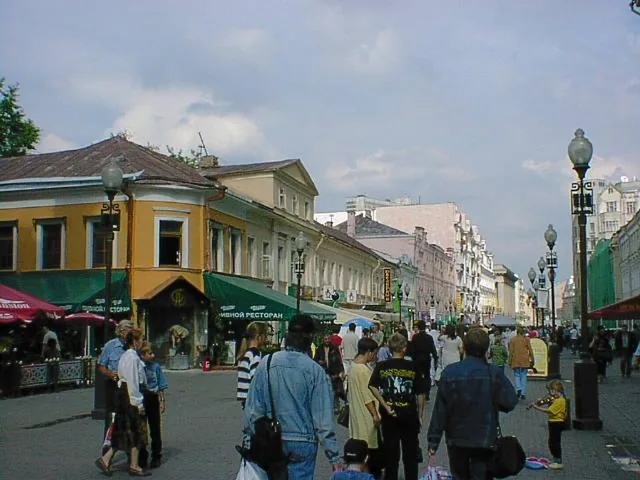
Arbat
Moscow’s old street of shops, cafés and painters, just west of the Kremlin.
The Arbat, Moscow · Wikimedia Commons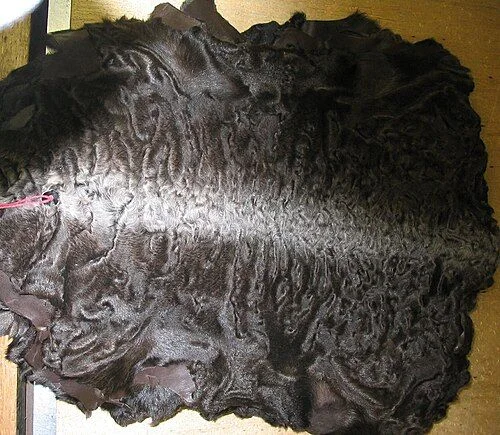
Astrakhan
Tightly curled lambskin from karakul sheep, named after Astrakhan, the Russian city on the Volga where it was traded.
A karakul lamb pelt. Photo Kürschner · public domain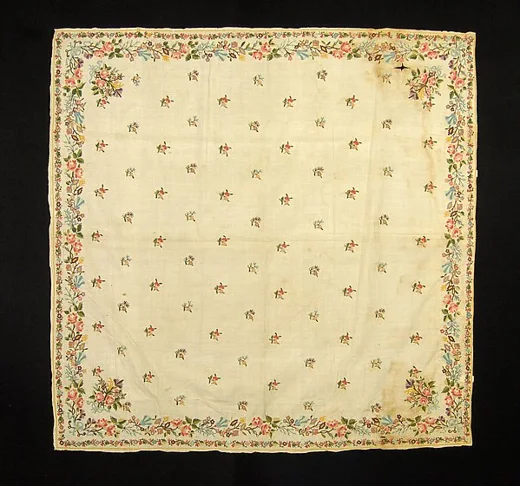
Babushka scarf
The square headscarf of the Russian grandmother, folded into a triangle and tied under the chin. In 1922 Chanel matched it to the dress.
Russian kerchief, 1740–70 · The Metropolitan Museum of Art, public domain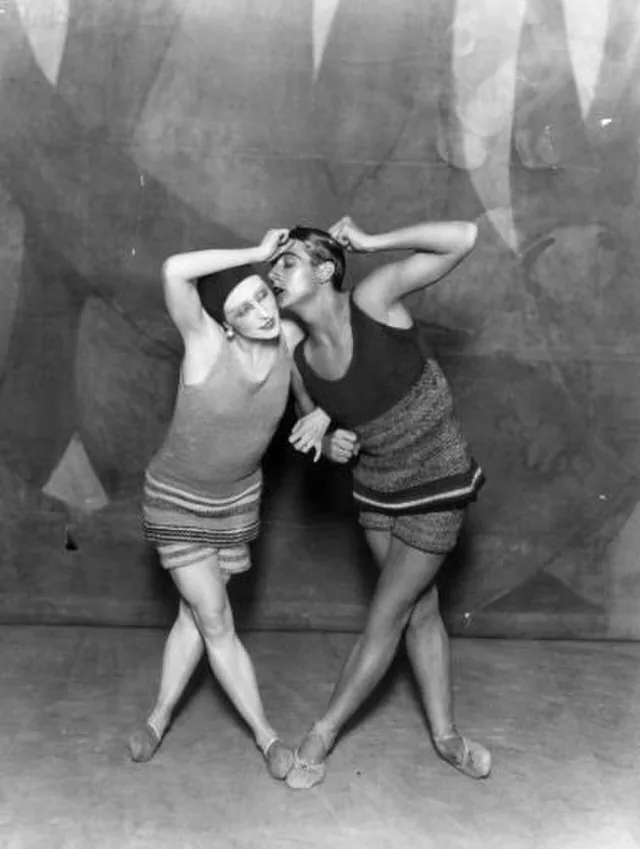
Ballets Russes
Diaghilev’s Russian ballet company, which danced in Paris from 1909 to 1929. For its Le Train Bleu of 1924, a ballet of the Riviera with a scenario by Cocteau, Chanel designed knitted bathing costumes.
Lydia Sokolova and Anton Dolin in Le Train Bleu, 1924 · Wikimedia Commons, public domain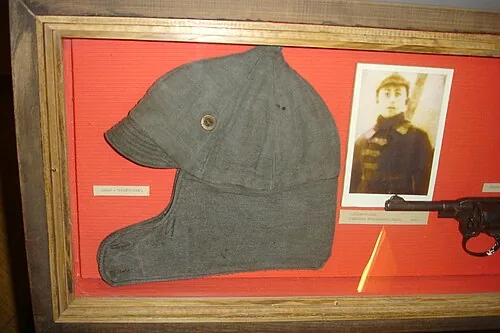
Budenovka
The pointed cloth helmet of the Red Army, adopted in 1919 and named after the cavalry commander Semyon Budyonny. At Paris-Moscou it shared the runway with the kokoshnik.
A budenovka, Konakovo museum · Wikimedia Commons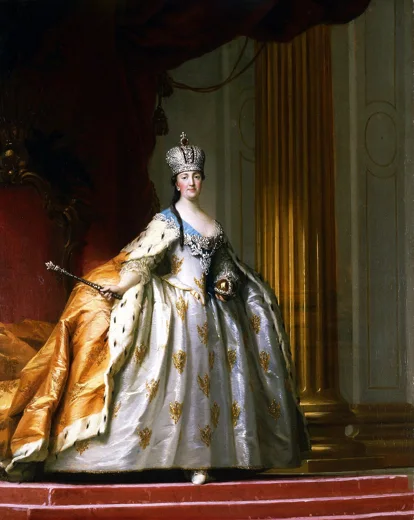
Catherine the Great
Empress of Russia from 1762 to 1796, German-born; she travelled between St Petersburg and Moscow wrapped in sable.
Vigilius Eriksen, 1778–79 · The David Collection, public domain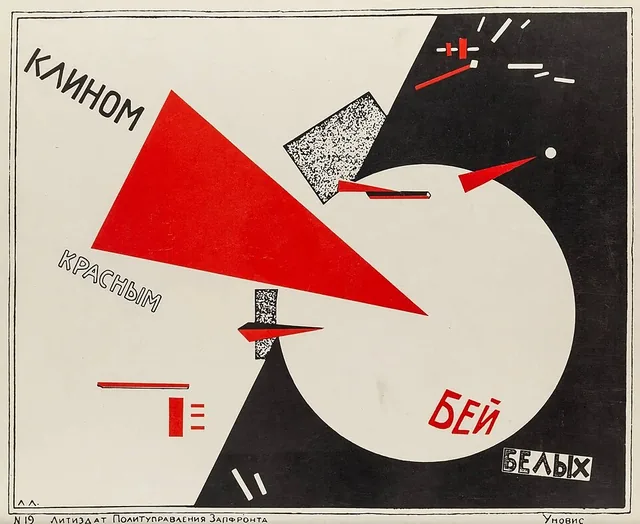
Constructivism
The art of the Russian Revolution: geometry and colour put to work for posters, buildings, theatre and clothes. Its artists wanted art to leave the gallery for the street and the factory.
El Lissitzky, Beat the Whites with the Red Wedge, 1919 · public domain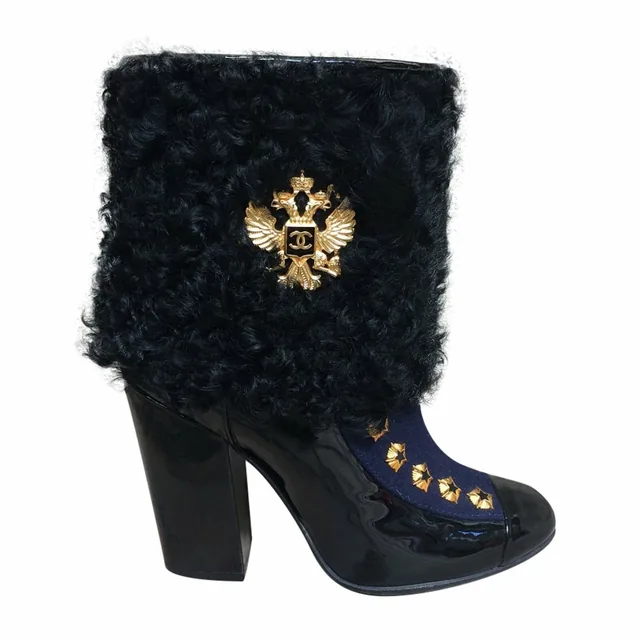
Cossack boots
The high riding boots of the Cossack horsemen. At Paris-Moscou they came in patent leather, cuffed in astrakhan and crested with the eagle and the CC.
Paris-Moscou, 2009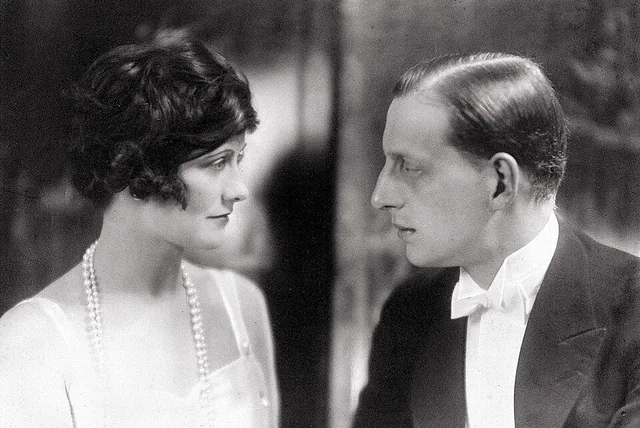
Dmitri Pavlovich
Grand Duke of Russia (1891–1942), grandson of Alexander II and first cousin of Nicholas II, one of the men who killed Rasputin. In exile in Paris he became Chanel’s lover in the early 1920s and brought Russia into her work.
Gabrielle Chanel and Dmitri Pavlovich · Wikimedia Commons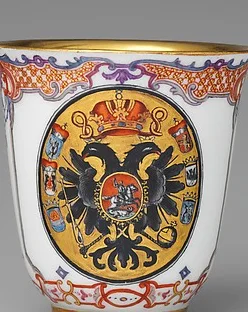
Double-headed eagle
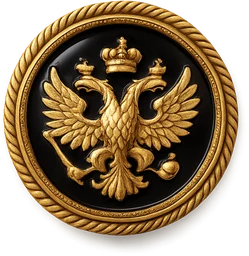
The emblem of the Russian state since the fifteenth century and the arms of the Romanov tsars, crowned and holding orb and sceptre. In Paris / Moscou it sits on the buttons.
Beaker with the Imperial Russian arms, Vienna, about 1735 · The Metropolitan Museum of Art, public domain
Ermine
The stoat in its white winter coat, black only at the tip of the tail; for centuries the fur of coronation robes.
Photo 4028mdk09 · CC BY-SA 3.0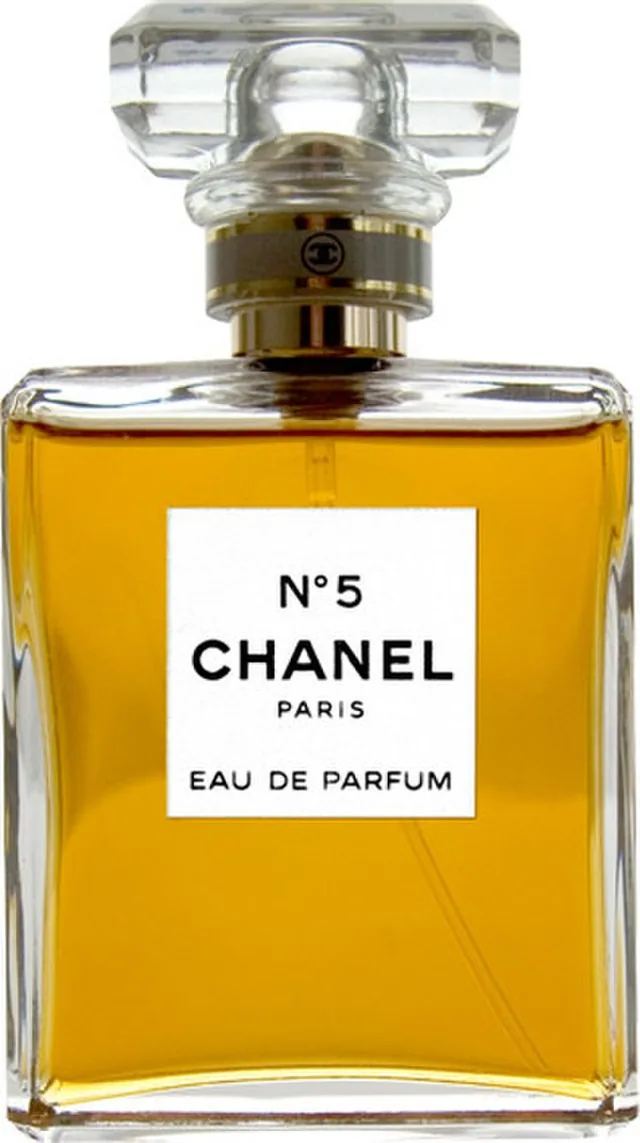
Ernest Beaux
Perfumer (1881–1961), born in Moscow, who had made scents for the Russian court. Introduced to Chanel by Dmitri, he composed No. 5 in 1921 and, a few years later, Cuir de Russie, the scent of Russian leather.
Chanel No. 5 · Wikimedia Commons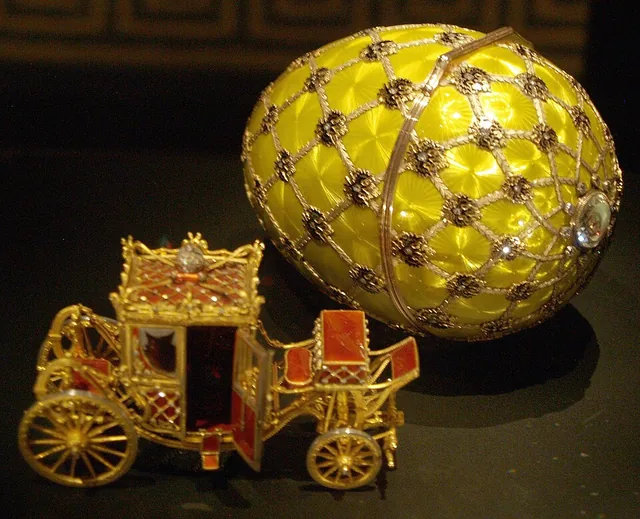
Fabergé egg
The jewelled Easter eggs made by the house of Fabergé for Alexander III and Nicholas II to give the empresses, each with a surprise inside. At Paris-Moscou the egg became an evening bag.
The Coronation Egg, 1897 · Wikimedia Commons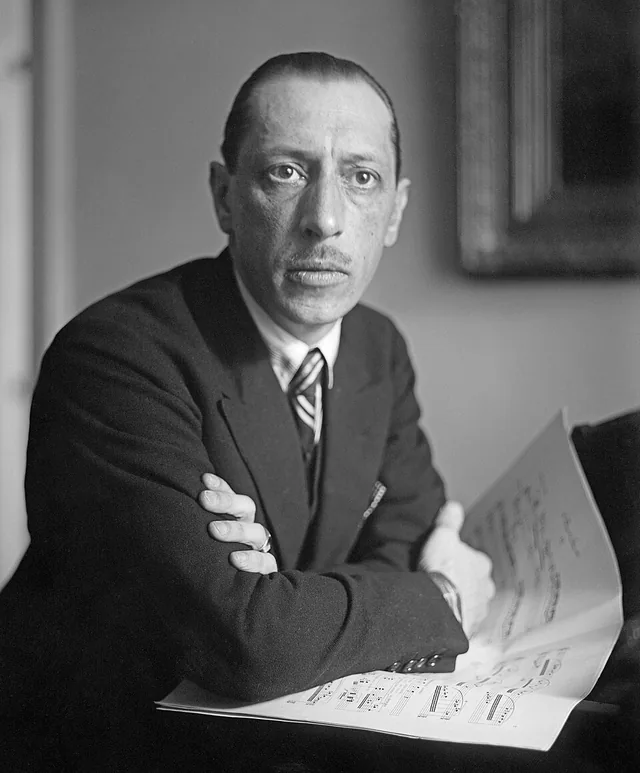
Igor Stravinsky
Russian composer (1882–1971) of The Firebird and The Rite of Spring. In 1920 Chanel paid for the revival of The Rite and took in his family at her villa Bel Respiro; by her own account, he became her lover.
Igor Stravinsky · Library of Congress, public domain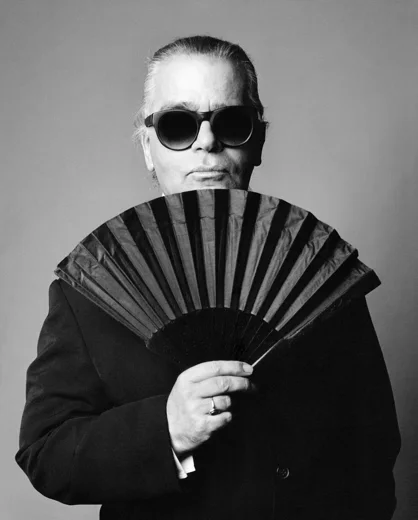
Karl Lagerfeld
Designer of Chanel from 1983. He showed Paris / Moscou in Paris in December 2008 and at the Maly Theatre in Moscow on 29 May 2009, his first visit to Russia.
CastaliaLux archive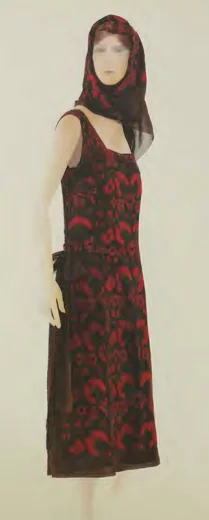
Kitmir
The Paris embroidery house founded by Grand Duchess Maria Pavlovna in 1921 and named after a friend’s black Pekingese. It made the Russian embroideries for Chanel, won a gold medal at the Paris exhibition of 1925 and was absorbed by an older Paris firm in 1928.
A Chanel dress of the 1920s with Kitmir embroidery · The Metropolitan Museum of Art, public domain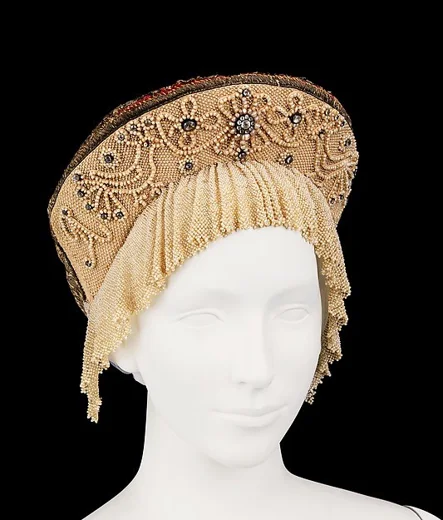
Kokoshnik
The tall, halo-shaped Russian headdress, worn by peasant brides and, in jewelled form, by ladies at the court of the tsars. It returned to the runway in Paris / Moscou.
Russian headdress, 1790–1810 · The Metropolitan Museum of Art, public domain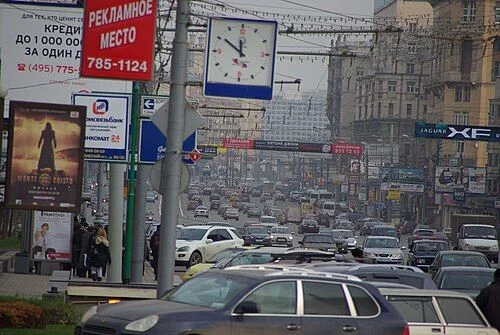
Kutuzovsky Prospekt
A grand avenue running west from the centre of Moscow, lined with Stalin-era apartment houses.
Photo Artyom Svetlov · CC BY 4.0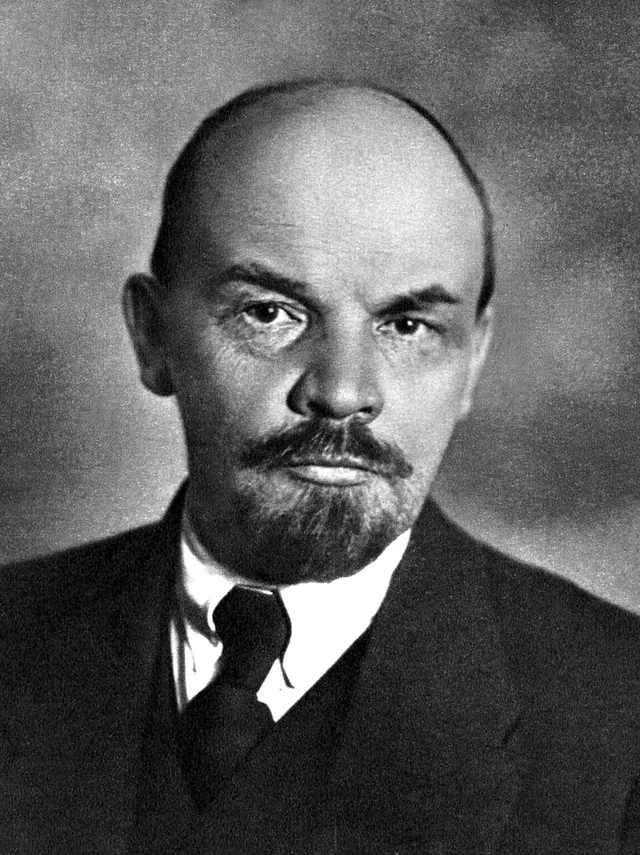
Lenin
Vladimir Lenin (1870–1924), leader of the Bolshevik Revolution of 1917. In 2009 his badges decorated 2.55 bags in the windows of Chanel’s temporary boutique in Moscow.
Vladimir Lenin, 1920 · public domain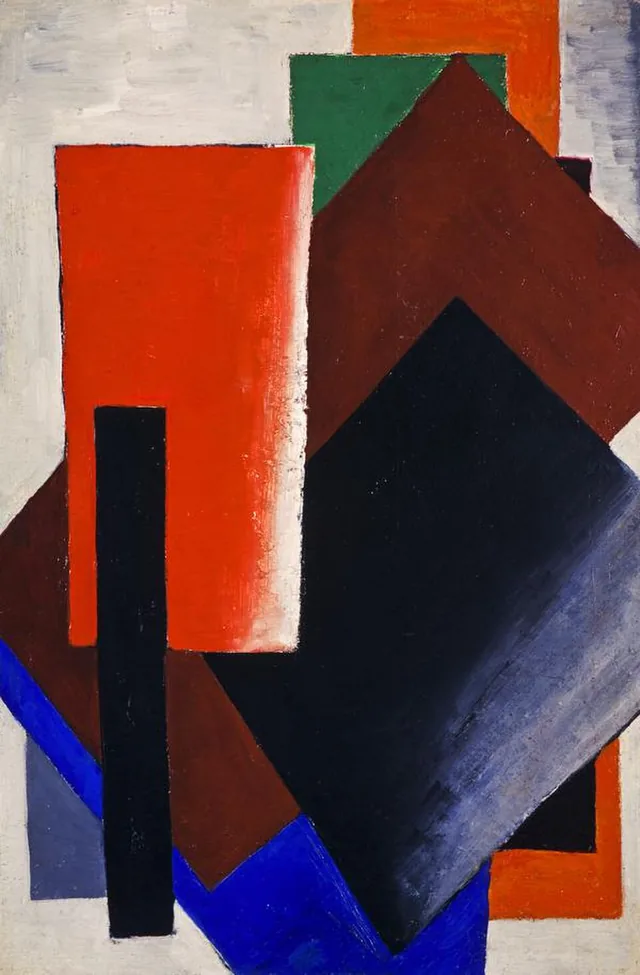
Liubov Popova
Painter of the Russian avant-garde (1889–1924). Her Painterly Architectonics are planes of colour that seem to press against one another; one of her compositions inspired a Paris-Moscou evening dress embroidered by Lesage.
Liubov Popova, Painterly Architectonic · National Galleries of Scotland, public domain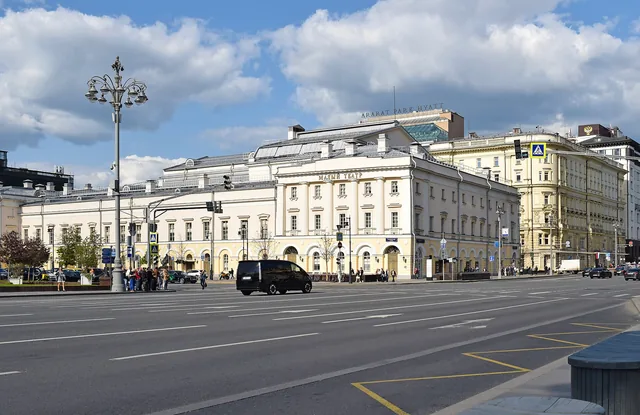
Maly Theatre
Moscow’s oldest drama theatre, on Theatre Square beside the Bolshoi. On 29 May 2009 Lagerfeld showed Paris-Moscou there, on his first visit to Russia.
The Maly Theatre, Moscow · Wikimedia Commons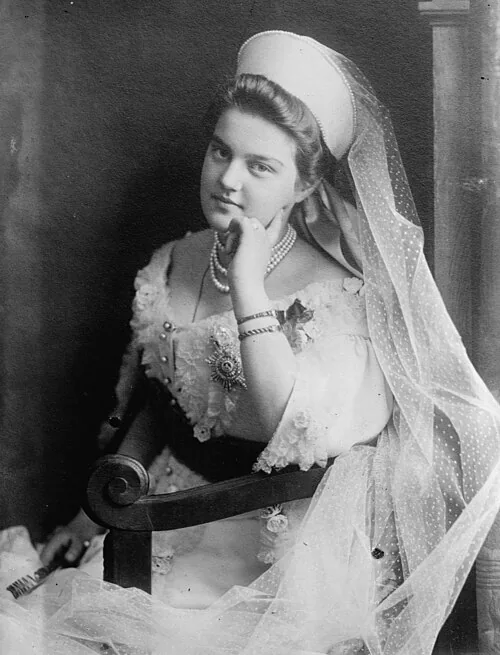
Maria Pavlovna
Grand Duchess of Russia (1890–1958), Dmitri’s sister. In Paris she learned machine embroidery and founded the house of Kitmir, which embroidered for Chanel.
Grand Duchess Maria Pavlovna · Library of Congress, public domain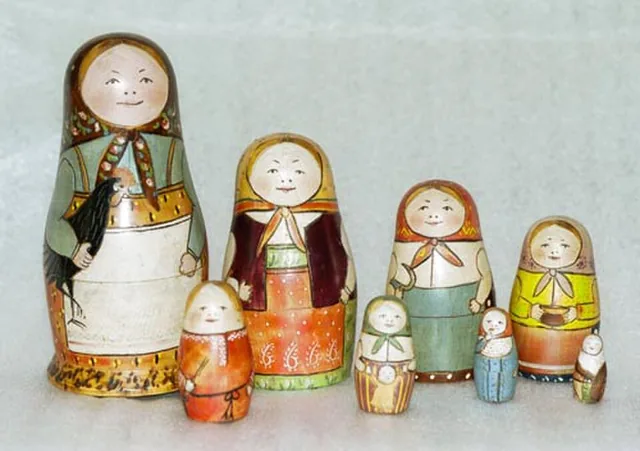
Matryoshka
The Russian nesting doll. The first set was made in 1890 near Moscow, carved by Vasily Zvyozdochkin and painted by Sergey Malyutin; it was shown in Paris at the Exposition Universelle of 1900.
The first matryoshka, 1890 · Wikimedia Commons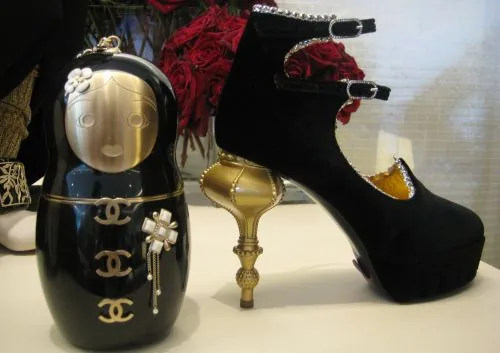
Matryoshka minaudière
Chanel’s evening bag of 2009 in the shape of a Russian doll: black lucite, a brushed-gold face, a CC turn-lock and a chain threaded with leather. Room inside for a lipstick and a secret.
Paris-Moscou, 2009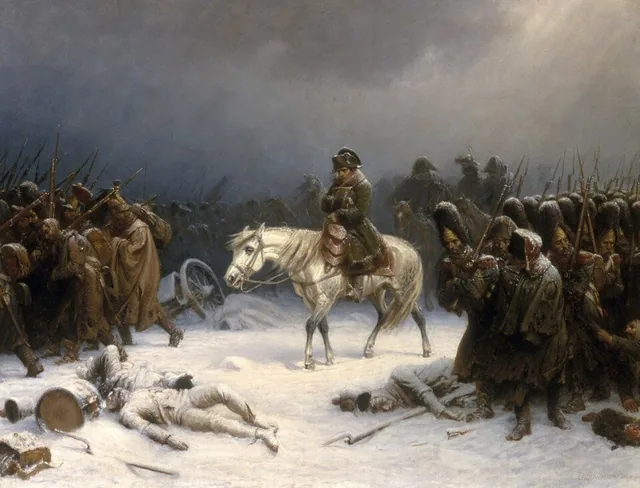
Napoleon
Napoleon’s Grande Armée entered Moscow in September 1812 and left it in October; the retreat ended in the snow. “As we know from Napoleon times, Moscow is not so far,” said Lagerfeld.
Adolph Northen, Napoleon’s Retreat from Moscow · public domain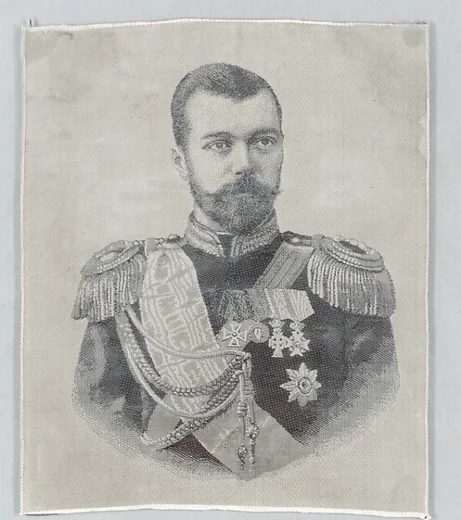
Nicholas II
The last tsar of Russia (1868–1918), first cousin of Maria Pavlovna and Dmitri. He abdicated in 1917 and was shot with his family the following year.
Woven silk portrait, late 19th century · The Metropolitan Museum of Art, public domain
Otto Lagerfeld
Karl’s father. By Karl’s own account he lived in Vladivostok from 1907 to 1916 and brought home a sable-lined coat, which the boy tried on in secret.
Vladivostok, circa 1910 · Vogue Russia, November 1998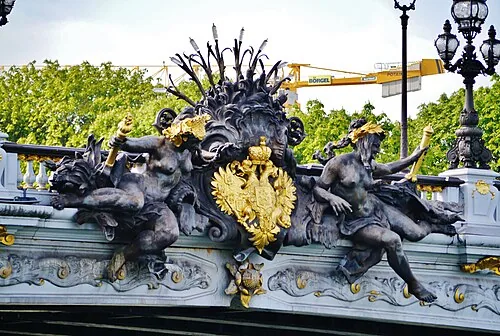
Pont Alexandre III
The Paris bridge named after Tsar Alexander III, opened in 1900 as a monument to the Franco-Russian alliance. At the centre of its arch the nymphs of the Seine and of the Neva face each other in hammered copper.
The nymphs of the Neva · Wikimedia Commons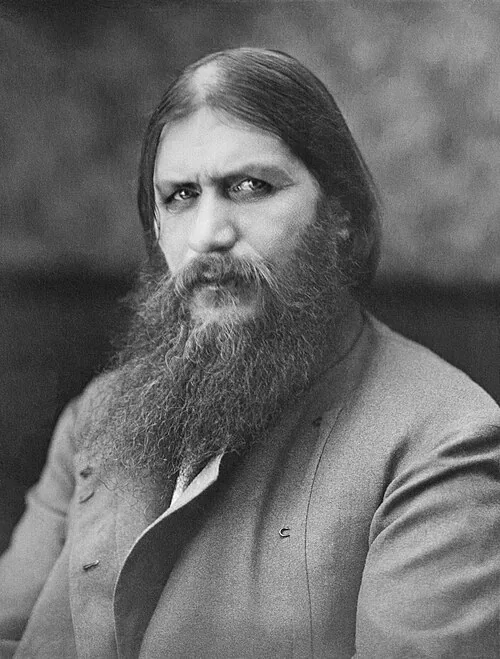
Rasputin
Grigori Rasputin (1869–1916), the Siberian holy man who gained a hold over the family of Nicholas II. He was killed in December 1916 by a group of conspirators that included Grand Duke Dmitri.
Grigori Rasputin · Wikimedia Commons, public domain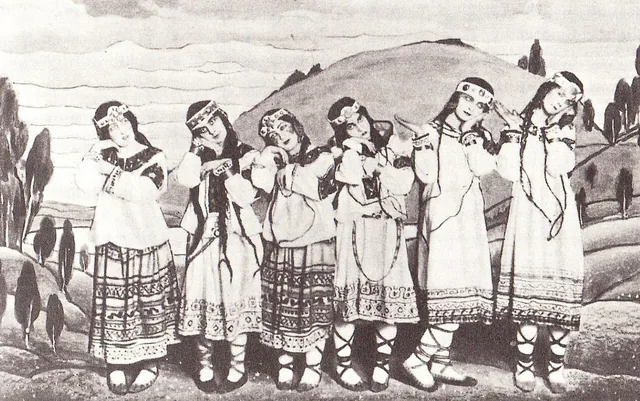
The Rite of Spring
Stravinsky’s ballet of pagan Russia, first danced by the Ballets Russes in Paris on 29 May 1913, to a riot in the stalls. Chanel financed its revival in 1920.
Dancers in The Rite of Spring, 1913 · Wikimedia Commons, public domain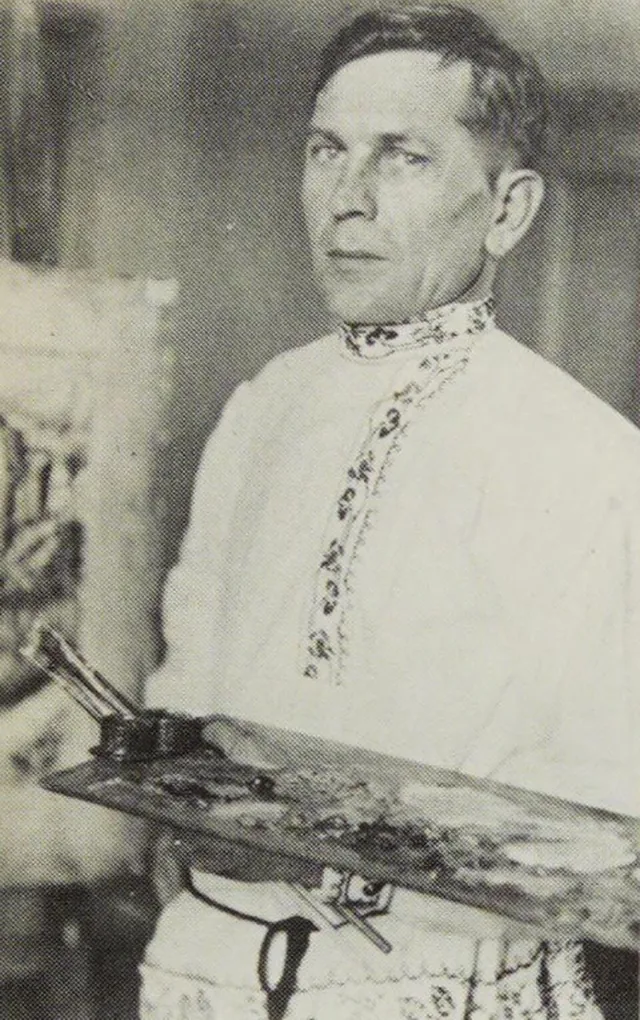
Rubashka
The Russian peasant shirt, often fastened at the side of the collar (the kosovorotka) and embroidered at the neck and cuffs. It entered Chanel’s wardrobe in the early 1920s.
Danila Vassilieff in an embroidered Russian shirt, 1936 · Wikimedia Commons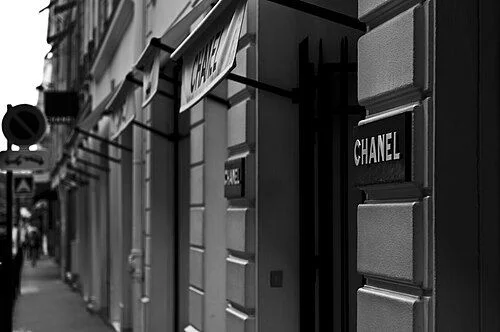
Rue Cambon
The Paris street where Gabrielle Chanel opened her hat shop in 1910 and where the house still stands, at number 31.
Photo ashton · CC BY 2.0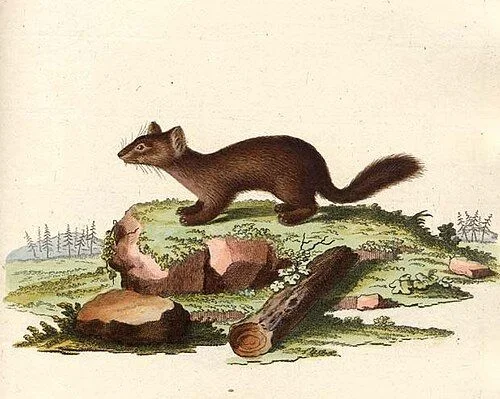
Sable
A small marten of the Siberian forests whose fur is the most precious in the world; for centuries the tsars paid ambassadors and allies in sable pelts.
Engraving after J. C. D. von Schreber · public domain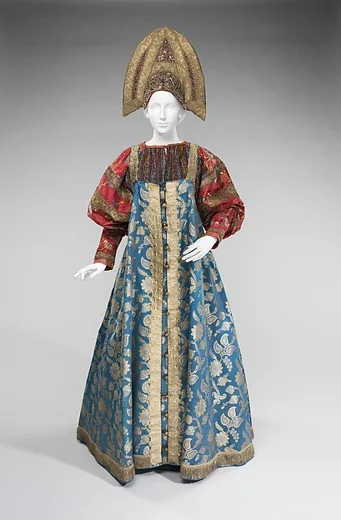
Sarafan
The long, sleeveless Russian dress worn over a blouse; on feast days it went with a kokoshnik.
Russian festive ensemble, 19th century · The Metropolitan Museum of Art, public domain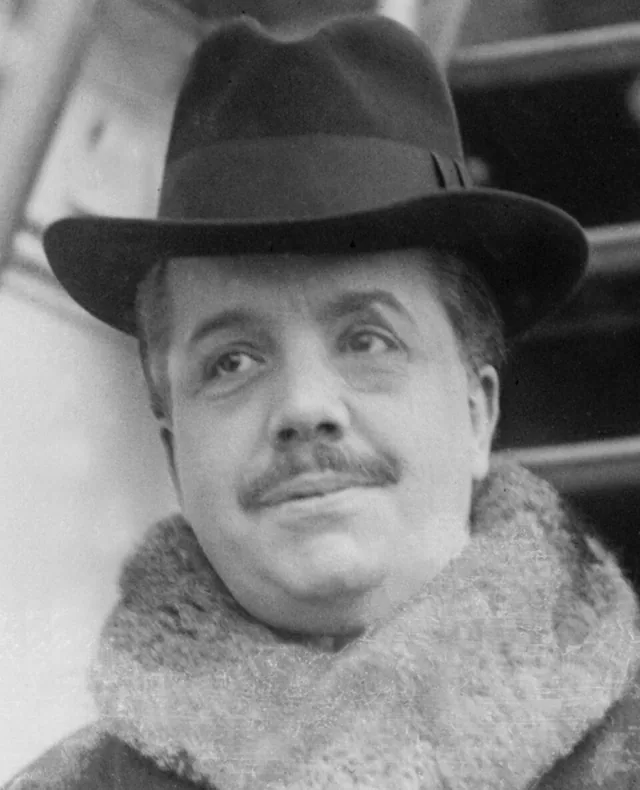
Serge Diaghilev
Russian impresario (1872–1929), founder of the Ballets Russes, who brought Russian dance, music and painting to Paris. Chanel was his friend, his patron and, in 1924, his costume designer.
Serge Diaghilev · Wikimedia Commons, public domain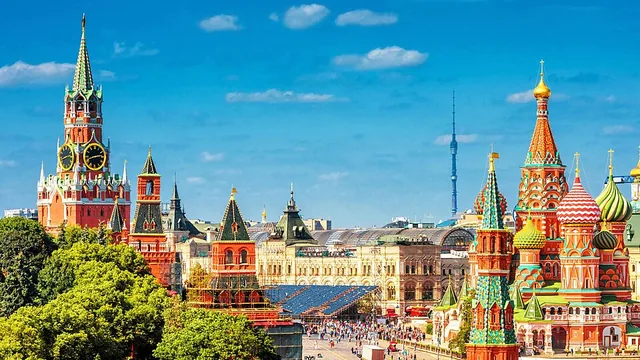
St Basil’s Cathedral
The cathedral on Red Square in Moscow, finished in 1561, with its painted domes. At Paris-Moscou its domes were embroidered on jackets and turned upside down into the gilded heels of evening shoes.
St Basil’s Cathedral, Red Square · Wikimedia Commons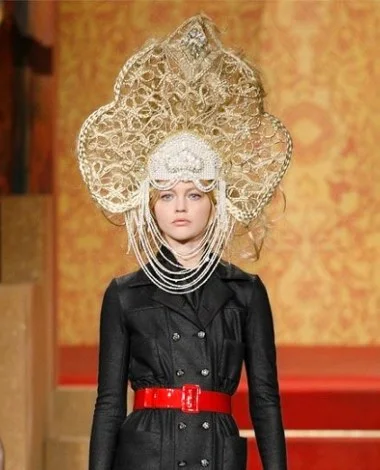
Théâtre Le Ranelagh
A nineteenth-century wood-panelled theatre in the sixteenth arrondissement of Paris, where Paris / Moscou was first shown in December 2008.
Paris / Moscou, December 2008 · Runway photograph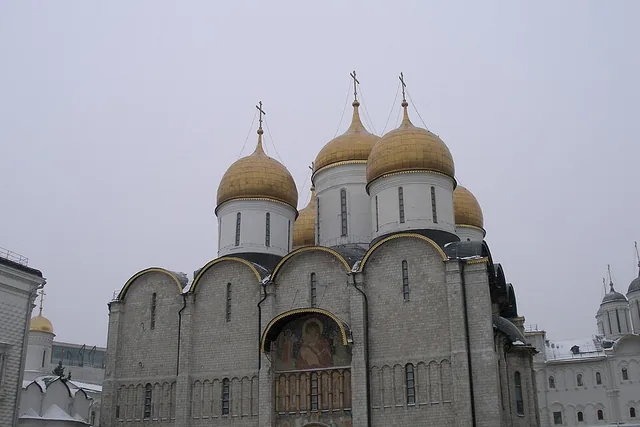
Third Rome
The idea, born after the fall of Constantinople in 1453, that Moscow had inherited the mantle of Rome and Byzantium. The tsars were crowned in the Kremlin’s Cathedral of the Dormition.
Cathedral of the Dormition, Moscow Kremlin · Wikimedia Commons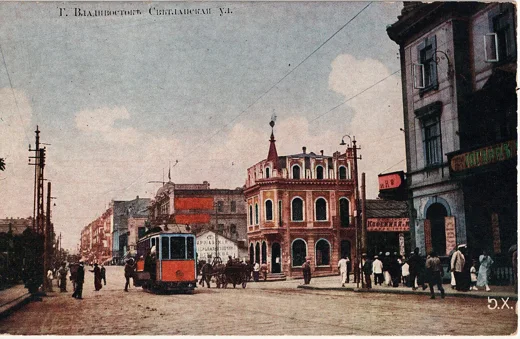
Vladivostok
Russia’s great port on the Pacific Ocean, at the far eastern end of the Trans-Siberian Railway: some 9,000 kilometres east of Moscow and closer to Japan than to Europe. Karl’s father, Otto, lived there in the 1910s.
Svetlanskaya Street, postcard, c. 1910 · public domain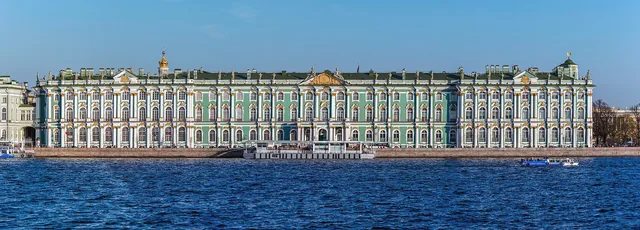
Winter Palace
The tsars’ palace on the Neva in St Petersburg, built in the 1750s and the scene of the court’s great balls until 1917.
The Winter Palace, St Petersburg · Wikimedia Commons